Market Euphoria: A Call for Caution
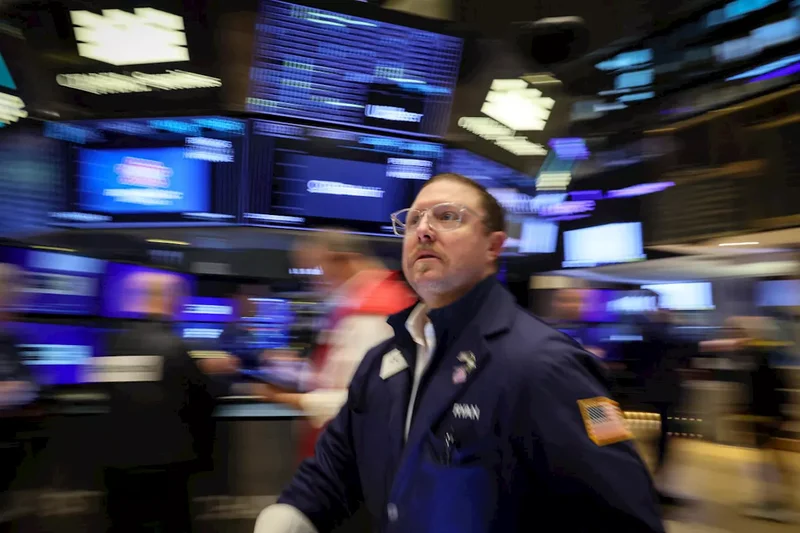
The market's been doing a little jig lately, hasn't it? S&P 500, Nasdaq, all notching gains. The headlines are practically screaming about a Fed rate cut next week. Everyone's acting like it’s a done deal—an 87% probability, according to CME FedWatch. Fine, but let’s pump the brakes for a second and look at what's actually going on, beyond the surface-level euphoria.
Inflation's Murky Picture
We're all obsessing over this PCE (Personal Consumption Expenditures) price index. The core PCE, the Fed's "favored" gauge, supposedly cooled to 2.8% annually. Okay, but here's the thing: that's delayed September data. We're almost through December. It's like driving while looking in the rearview mirror – you might avoid what was behind you, but you're probably going to crash into what's in front of you.
And even that 2.8% is still above the Fed's 2% target. So, we're celebrating a slight cooling that still leaves us short of the goal line? Consumer confidence supposedly rose for the first time in five months because inflation expectations improved. But how much of that is wishful thinking versus actual economic reality? What happens when the holiday shopping bills start rolling in and people realize they're still paying too much for everything?
Plus, Deutsche Bank is saying that even if the Fed does cut rates, it's going to spark a "rare split" among policymakers, maybe the biggest since 1992. Four or more dissents? That's not exactly a vote of confidence, is it? It sounds more like a bunch of people arguing in a room while the ship slowly sinks. And Powell's going to have to "look through some of the softness" in the jobs data to keep everyone on board. Translation: ignore the warning signs and hope for the best. I've seen this play too many times.
The Netflix-Warner Bros. Discovery Deal: A Risky Gamble
Then there’s this Netflix-Warner Bros. Discovery deal for $72 billion. Let's be clear: media mega-deals have a spectacular record of destroying value. This deal combines Netflix's streaming platform with Warner Bros' content library (Game of Thrones, DC Universe, the whole shebang). Sounds great on paper, right? More content, more subscribers, more money.
But analysts are already throwing up red flags. Concerns about "execution and content risks," as Kathleen Brooks from XTB put it, are valid. Netflix doesn’t exactly have a pristine track record with acquisitions. And Antonio Di Giacomo from XS.com is right to worry about regulatory hurdles. Combining Netflix with HBO Max and its 130 million subscribers? That's going to raise some serious antitrust questions. Regulators in the US and Europe are going to be all over this, and that's before a group of “concerned feature film producers” are now lobbying Congress against the deal, saying Netflix would be able to “hold a noose around the theatrical marketplace.”
And the market's reaction? Netflix stock dipped nearly 3% after the announcement. That's not exactly a ringing endorsement. Warner Bros. Discovery shares went up about 3%. That smells like short-term speculation, not long-term confidence.
Navigating Market Sentiment
The market's rallying, yes. But it's rallying on hope, not necessarily on hard data. Rate cut hopes, deal hopes, all kinds of hopes. As Chris Zaccarelli at Northlight Asset Management said, the "future path of rate cuts is much more controversial." Stock market today: S&P 500, Nasdaq notch fourth day of gains with next week's Fed meeting in focus
The PCE data is old, the Fed's decision is uncertain, and the Netflix deal is a massive gamble. We're seeing a lot of market movement based on sentiment, which can shift on a dime. It’s like watching a flock of birds – they all suddenly change direction for reasons that aren’t immediately clear.
I'm not saying the market's going to crash tomorrow. I'm saying that the current optimism feels…fragile. Remember that the Nasdaq had its best day since May, but only after a "bruising stretch." That's a rebound, not a sustained surge.